Hakone Susuki Grass Fields in Sengokuhara

Discover the Magic of Hakone's Fiery Tradition

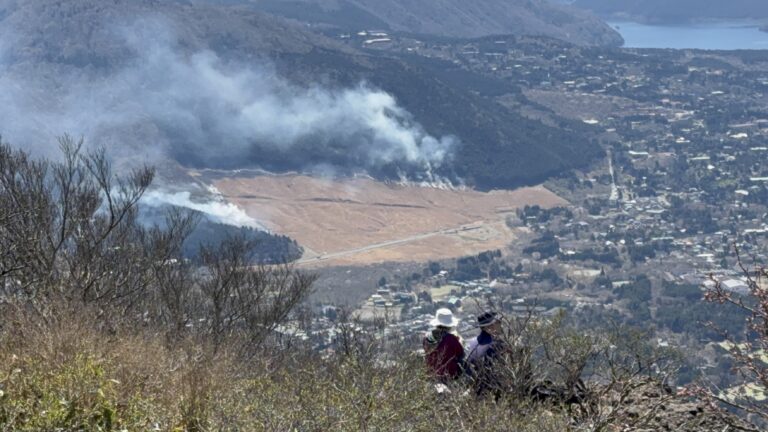
Experience the Sengokuhara Susuki Field Burning

Join us on an unforgettable journey to witness the breathtaking transformation of Hakone’s landscape through the ancient practice of controlled burning. Embrace the beauty of nature’s rebirth.

Witnessing the Flames of Renewal: The 2026 Sengokuhara Susuki Field Burning in Hakone

Unveiling the Sengokuhara Susuki Field

Nestled in the heart of Hakone, the Sengokuhara Susuki Field is renowned for its stunning autumn scenery, where golden pampas grass waves in the breeze. This natural wonder is not only a visual delight but also plays a crucial role in the region’s ecological balance. Each year, a controlled burn rejuvenates the field, promoting new growth and maintaining the health of this unique ecosystem. Our tours offer an in-depth exploration of this fascinating process, guided by experts who share the cultural and environmental significance of the burn.

Understanding the Controlled Burn Process

The Sengokuhara Susuki Field undergoes a meticulous controlled burn to preserve its ecological vitality. This traditional practice is essential for maintaining the area’s natural beauty and biodiversity.

1

Preparation and Safety Measures

Before the burn, local authorities and experts assess weather conditions to ensure safety. Barriers are set up to protect visitors and surrounding areas.

2

Ignition and Monitoring

On the chosen day, trained personnel ignite the field under controlled conditions. The burn is closely monitored to manage the fire’s spread and intensity.

3

Ecological Benefits and Renewal

Prepare for an Unforgettable Experience

Plan Your Visit to the 2027 Controlled Burn

Embarking on a journey to witness the annual controlled burn in Sengokuhara is a unique adventure that requires thoughtful planning. Ensure you check the Hakone Town official website or the Hakone Tourist Association for the exact dates and weather conditions, as these can vary. Secure your accommodations early, as this event draws many visitors eager to witness the transformation of the landscape. Consider joining a guided tour with Coconuts Hike Japan for an enriched experience led by our expert guide Akihiro.

Essential Items and Safety Precautions

  • Warm Clothing: March/April temperatures in Hakone can be chilly, so dress in layers to stay comfortable.
  • Face Mask or Scarf: Protect yourself from smoke and ash that may drift with the wind.
  • Sturdy Footwear: Trails can be uneven, so wear shoes with good grip for safe hiking.
  • Camera: Capture the dramatic scenery and the rebirth of the landscape.
  • Respectful Attitude: Follow all safety instructions and respect the barriers set by authorities.
  • Water and Snacks: Stay hydrated and energized during your visit.
  • Weather Updates: Regularly check for updates to ensure your visit aligns with the event schedule.
  • Binoculars: Get a closer view of the burn from a safe distance.
  • Portable Charger: Keep your devices powered for photos and navigation.
  • Emergency Contact Information: Have local emergency numbers handy just in case.
  • Sun Protection: Even in March, sunburn can occur, so bring sunscreen and a hat.
  • Trash Bags: Leave no trace; carry out what you bring in.
  • Travel Insurance: Ensure you have coverage for unexpected events.
  • Reusable Water Bottle: Stay eco-friendly while keeping hydrated.

The Beauty of Renewal

After the controlled burn, the Sengokuhara landscape undergoes a breathtaking transformation. Initially, the charred fields may seem desolate, but this is the beginning of a remarkable renewal process. Within days, vibrant green shoots emerge from the ashes, symbolizing nature’s resilience and the cycle of life. This rejuvenation is crucial for maintaining the health of the ecosystem, promoting biodiversity, and ensuring the stunning autumn vistas that draw visitors from around the world. Witnessing this rebirth firsthand offers a profound appreciation for the delicate balance of destruction and creation in nature.

3 Useful Key Steps for Enjoying Japanese Onsen

3 Key Steps for Enjoying Japanese Onsen

Key Steps for Enjoying Japanese Onsen –  Before Entering the Bathing Area:

Remove Shoes: At the entrance to the onsen facility, you’ll typically find shoe lockers or shelves. Remove your outdoor shoes here.

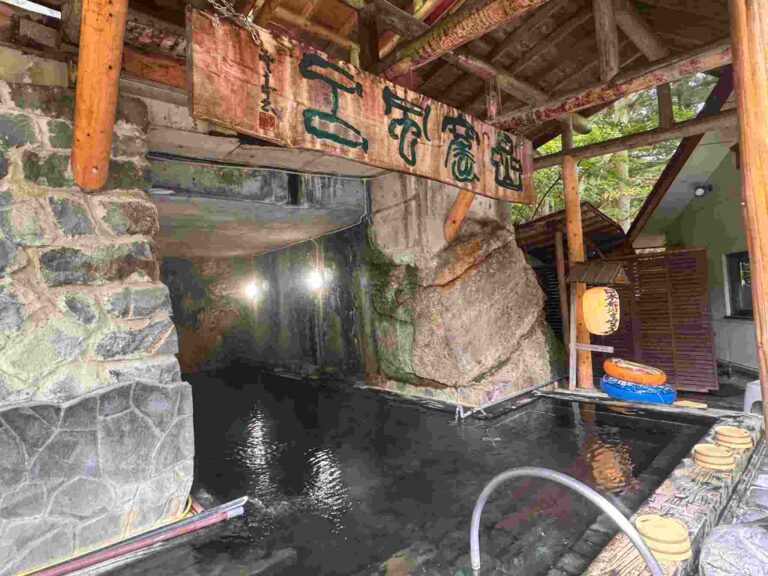
Gender Segregation: Onsens are almost always gender-separated. Look for signs: a red curtain or the kanji (onna) for women, and a blue curtain or (otoko) for men. Double-check before entering to avoid embarrassment!

Changing Room: Inside the changing room, you’ll find lockers or baskets for your clothes and belongings.

Get Completely Naked: This is the most important and often surprising rule for first-timers. Onsens are enjoyed in complete nudity. No swimsuits, underwear, or other clothing are allowed in the bathing area. It might feel awkward at first, but everyone is in the same boat, and it’s part of the cultural experience.

Towels: You’ll typically be given two towels:

    • Large Bath Towel: This is for drying yourself completely after your bath, in the changing room. Leave it in your locker.
    • Small Hand Towel (Kakeyu Towel): You can bring this into the bathing area. It’s used for washing your body and can be used for modesty while walking around. It should never touch the onsen water. Many people fold it and place it on their head while soaking.

Key Steps for Enjoying Japanese Onsen – In the Bathing Area

Shower Thoroughly (Arai-ba): Before entering the hot spring water, you must wash your entire body thoroughly. There will be an area with individual shower stalls, small stools, and sometimes complimentary soap and shampoo. Sit on the stool and cleanse yourself fully, making sure to rinse off all soap suds. This is crucial for maintaining the cleanliness of the communal bath water.

Enter the Onsen Slowly: The water can be very hot (typically 40-45°C or 104-113°F). Enter slowly to allow your body to adjust. You might want to pour some hot water over your legs and feet first (this is called “kakeyu”).

No Towels in the Water: As mentioned, your small hand towel should never enter the onsen water. Place it on the edge of the bath or fold it and put it on your head. If it accidentally falls in, wring it out outside the bath.

No Hair in the Water: If you have long hair, tie it up so it doesn’t touch the water.

Soak, Don’t Wash: The onsen is for soaking and relaxing, not for washing your body. All washing should be done at the shower stalls.

Maintain Quiet: Onsens are places of relaxation and tranquility. Keep conversations to a low murmur. Avoid loud talking, shouting, or splashing.

No Swimming or Diving: Onsens are not swimming pools. Avoid any vigorous activity like swimming, diving, or splashing.

Hydrate: The hot water can be dehydrating. It’s a good idea to drink plenty of water before and after your bath. Avoid alcohol before or during your onsen visit.

No Phones or Cameras: For privacy and respect, do not bring phones, cameras, or any electronic devices into the bathing area. Photography is strictly prohibited.

Tattoos: Historically, tattoos have been associated with the yakuza (Japanese mafia), and many traditional onsens still prohibit entry to tattooed individuals. However, this is slowly changing, especially in more tourist-heavy areas. If you have tattoos, it’s best to research the specific onsen’s policy beforehand. Some may allow entry if tattoos are small and can be covered with a bandage.

Take Breaks: If the water feels too hot, step out and sit on the edge of the bath to cool down. Don’t stay in for too long, especially if you’re not used to it, to avoid dizziness.

Key Steps for Enjoying Japanese Onsen – After Your Bath

Dry Off Before Re-entering Changing Room: Before stepping back into the changing room, use your small hand towel to wipe off as much excess water from your body as possible. This helps keep the changing room floor dry for others.

Use Large Towel: Once in the changing room, use your large bath towel to dry yourself completely.

Relax: Many onsen facilities have relaxation areas where you can unwind further, often with vending machines for drinks.

By following these etiquette guidelines, you’ll show respect for Japanese culture and ensure a harmonious and enjoyable onsen experience for everyone. Enjoy your soak.

Useful links about onsens in Japan: (Key Steps for Enjoying Japanese Onsen)

Japan Onsen Association

Secret Onsens in Japan 

Pin It on Pinterest