How to Enjoy a Japanese Onsen: 3 Simple Steps
New to Japanese hot springs? The essentials are simple: prepare in the changing room, wash before entering the bath, and keep towels and hair out of the water. Rules on towels, tattoos and private baths vary by facility, so check the onsen you plan to visit.
If you are planning an active day in Hakone, you can compare our guided walks and check direct availability. The tour pages explain whether onsen admission is included or paid separately.
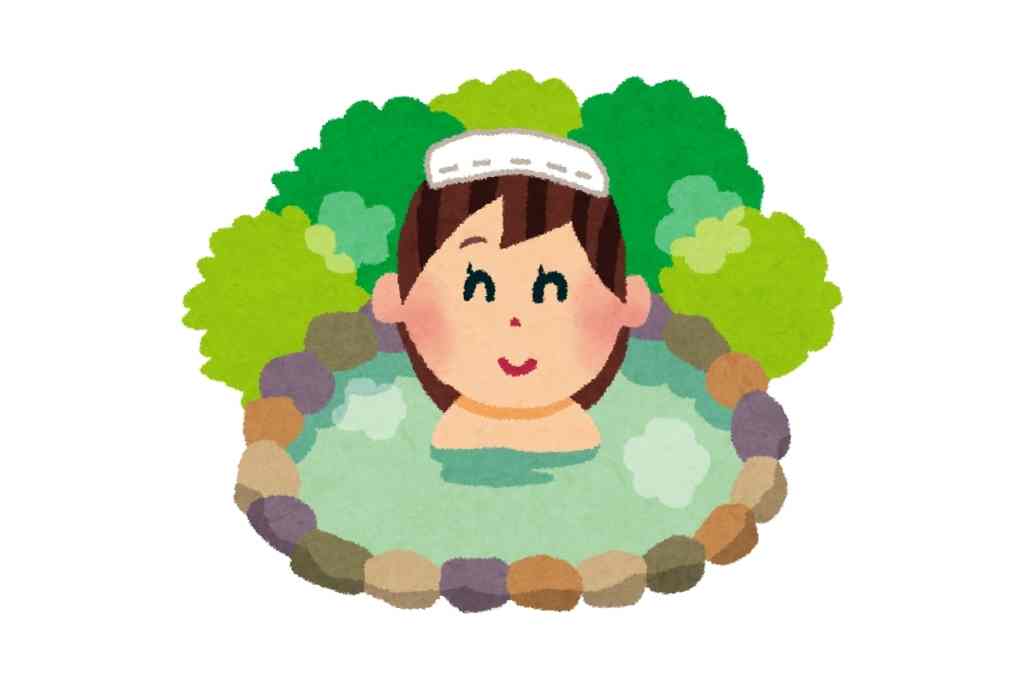
1. Before entering the bath
Remove Shoes: At the entrance to the onsen facility, you’ll typically find shoe lockers or shelves. Remove your outdoor shoes here.
Check the entrance: Many facilities have separate bathing areas; look for the signs or ask staff. Do not rely on curtain colour alone. Private baths may be available at some facilities.
Changing Room: Inside the changing room, you’ll find lockers or baskets for your clothes and belongings.
Get Completely Naked: This is the most important and often surprising rule for first-timers. Most communal onsen baths are used without clothing or swimwear. Follow the rules posted at your chosen facility; some special or mixed-gender baths have different arrangements. It might feel awkward at first, but everyone is in the same boat, and it’s part of the cultural experience.
Towels: Check the facility before you go. Towels may be supplied, rented, sold or something you need to bring. Keep your large drying towel in the changing room. A small wash towel may go with you to the washing area, but never into the bath water. Kakeyu means pouring hot water over your body before bathing; it is not the name of a towel.

2. In the bathing area
Shower Thoroughly (Arai-ba): Before entering the hot spring water, you must wash your entire body thoroughly. Look for the washing stations, usually with stools and showers. Soap and shampoo availability varies by facility. Sit on the stool and cleanse yourself fully, making sure to rinse off all soap suds. This is crucial for maintaining the cleanliness of the communal bath water.
Enter the Onsen Slowly: The water can feel very hot. Enter slowly and take a break if you feel uncomfortable. You might want to pour some hot water over your legs and feet first (this is called “kakeyu”).
No Towels in the Water: As mentioned, your small hand towel should never enter the onsen water. Place it on the edge of the bath or fold it and put it on your head. If it accidentally falls in, wring it out outside the bath.
No Hair in the Water: If you have long hair, tie it up so it doesn’t touch the water.
Soak, Don’t Wash: The onsen is for soaking and relaxing, not for washing your body. All washing should be done at the shower stalls.
Maintain Quiet: Onsens are places of relaxation and tranquility. Keep conversations to a low murmur. Avoid loud talking, shouting, or splashing.
No Swimming or Diving: Onsens are not swimming pools. Avoid any vigorous activity like swimming, diving, or splashing.
Hydrate: The hot water can be dehydrating. It’s a good idea to drink plenty of water before and after your bath. Avoid alcohol before or during your onsen visit.
No Phones or Cameras: Leave phones and cameras outside the bathing area and follow the facility’s privacy rules.
Tattoos: Tattoo policies vary. Check the specific facility before visiting; some accept tattoos, some allow approved cover seals, and others offer private baths. Do not assume a small tattoo will be accepted without checking.
Take Breaks: If the water feels too hot, step out and sit on the edge of the bath to cool down. Don’t stay in for too long, especially if you’re not used to it, to avoid dizziness.
3. After your bath
Dry Off Before Re-entering Changing Room: Before stepping back into the changing room, use your small hand towel to wipe off as much excess water from your body as possible. This helps keep the changing room floor dry for others.
Use Large Towel: Dry yourself in the changing room with the towel you brought or obtained from the facility.
Relax: Many onsen facilities have relaxation areas where you can unwind further, often with vending machines for drinks.
By following these etiquette guidelines, you’ll show respect for Japanese culture and ensure a harmonious and enjoyable onsen experience for everyone. Enjoy your soak.
For more detail, read the Japan National Tourism Organization’s onsen etiquette guide. Check the individual facility for its current opening hours, towel and tattoo rules, and admission price.
Choose a Hakone walk with time for an onsen
Our Caldera Rim Hike & Onsen and Temple Forest Walk & Onsen give you options for combining a guided walk with a bath. Check each tour page for the walking difficulty, meeting point and costs paid separately, then choose a date and book direct.