Your Perfect Hakone Itinerary: 1, 2, or 3 Days of Discovery

Your Perfect Hakone Itinerary: 1, 2, or 3 Days of Discovery

This suggested itinerary is a model for first-time visitors, but the beauty of Hakone is that you can explore it at your own pace. The sequence of activities can always be rearranged based on weather and your group’s ability.

Your Perfect Hakone Itinerary: 1, 2, or 3 Days of Discovery

Whether you have one day or three, Hakone offers a rich tapestry of experiences. Here’s how we recommend you weave them together. 

The 1-Day Hakone Highlight

Your Perfect Hakone Itinerary: 1, 2, or 3 Days of Discovery

Perfect for those short on time, this day packs in iconic sights and cultural touches. 

Morning: Begin your adventure in the historic heart of Hakone – Hike Hakone Hachiri where you’ll walk a preserved section of the ancient Tokaido Highway, just as samurai did centuries ago. You’ll visit a 600-year-old teahouse and, with luck, chat with its owner, a living link to Japan’s past. The tour concludes with a stunning view of Lake Ashi and, weather permitting, Mt. Fuji.

Afternoon: After the tour finishes around 1:00 PM in Moto-Hakone, enjoy a lakeside lunch on your own. Then, continue the adventure! Hop on the famous Pirate Ship for a cruise across Lake Ashi, and then take the Hakone Ropeway up to the volcanic valley of Owakudani to try the famous black eggs cooked in the steaming vents.

Hachiri sign Tokaido 53 times

The 2-Day Deep Dive in Hakone

This is the ultimate Hakone experience, blending mountain tranquility with cultural immersion. Your Perfect Hakone Itinerary: 1, 2, or 3 Days of Discovery

Day 1: Welcome to the Highlands (Nature & Tradition)

Arrival:  Settle into the atmosphere of Hakone Yumoto, the charming onsen town at the base of the mountains. Explore its historic streets, enjoy a delicious lunch, and browse local shops.

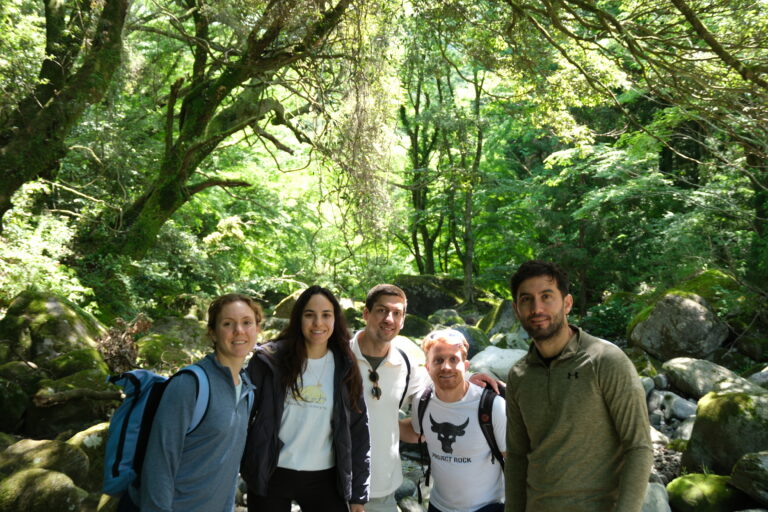
Afternoon: Ready for some fresh air? This is a perfect time for a refreshing Valley Walk to experience Hakone’s serene nature. Follow a riverside path and breathe in the tranquility.

Late Afternoon: Treat yourself to a moment of pure Japanese tradition. Visit a wagashi shop with over a century of history for a seasonal sweet and a bowl of matcha.

Evening: Choose your dining adventure. Perhaps explore the hilltop restaurants in Gora or enjoy a relaxing meal back in your hotel in Hakone Yumoto.

Day 2: History & Volcanic Wonders

Morning: Step back in time. Join a tour walking the Hachiri in Hakone. Understand why this old path is one of the Japanese heritage. You will walk the Old Tokaido Highway, witness the skill of local woodcraft masters, and enjoy amasake in a tea house with 600 years of history.  Then your guide will lead you to the breathtaking shores of Lake Ashi by early afternoon.

Afternoon: After an independent lunch in Moto-Hakone, the volcanic wonders of Hakone await. Take the Pirate Ship across the lake to Togendai, then board the Ropeway to Owakudani. Walk among the volcanic vents and witness this otherworldly landscape up close. On your way down, consider visiting one of the fascinating museums in Gora or the scenic grasslands of Sengokuhara.

Hakone Valley Walk by Coconuts Hike Japan

The 3-Day Active & Wellness Escape in Hakone

Add a day of physical adventure or deep relaxation to your 2-day itinerary.

Option A: For the Physically Active – Summit & Skyline Walk

Join a Hakone Skyline Summit Hiking Tour.  This challenging and rewarding 4-hour walk takes you up into the mountains along the caldera rim. You’ll be rewarded with spectacular, panoramic views that few visitors see Mt. Fuji, the majestic Japanese Southern Alps, and even the glistening Pacific Ocean on a clear day. Gaze down upon Lake Ashi and the tiny Pirate Ship from your lofty perspective.

Afternoon Reward: After your descent, soothe your muscles in the time-honored Japanese way. Find one of Hakone’s famous day-use onsen (hot spring) baths for a long, healing soak. It’s the perfect end to an active day.

Option B: For a Gentle Pace – Forest Bathing (Shinrin-yoku)

Join a Shinrin-yoku (Forest Bathing) Tour.  This is not a hike, but a sensory journey. Led by a certified facilitator, you’ll take a slow, mindful 2-hour walk along the serene shores of Lake Ashi. You’ll be guided through simple exercises to open your senses, connect with the forest, and experience the profound calming effect of nature, known in Japan as *Shinrin-yoku*.

Shinrin-yoku Forest Bathing at Hakone Lakeshore

Ready to create your perfect Hakone story?

Hakone Unlocked: 5 Can’t-Miss Experiences in Japan’s Hot Spring Paradise

Hakone Unlocked: 5 Can't-Miss Experiences in Japan's Hot Spring Paradise

Embark on a journey through Hakone’s mesmerizing landscapes and cultural treasures, perfectly curated for the adventurous spirit.

1. Surrender to Nature’s Embrace

Hakone’s soul is its breathtaking natural world. Don’t just see it—immerse yourself in it.

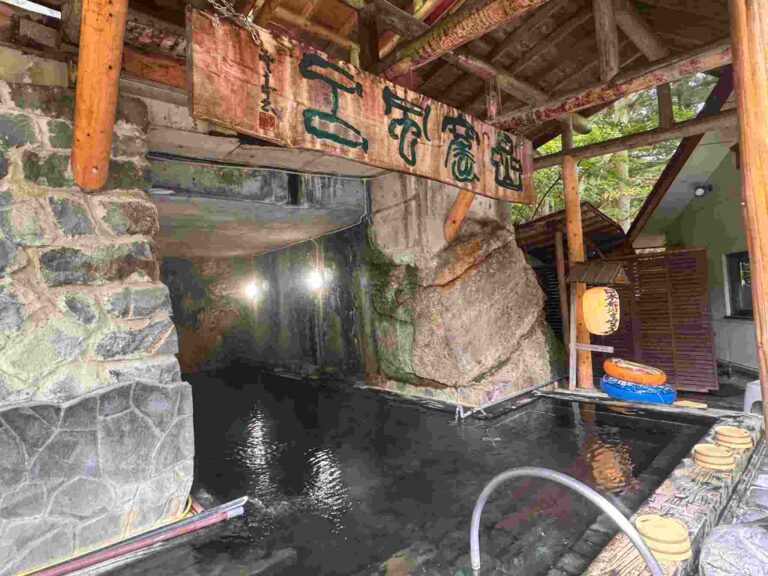
· Soak in a Forest Onsen: Imagine steaming, mineral-rich waters surrounded by ancient trees and the quiet sounds of the woods. This is the quintessential Hakone experience.

· Practice Shinrin-Yoku (Forest Bathing): Breathe deeply on a mindful walk through Hakone’s old-growth forests. Stand in awe beneath majestic cedar trees and feel your stress melt away.

· Stroll the Shores of Lake Ashi: Walk along this tranquil caldera lake, famed for its picture-perfect torii gates and views of Mount Fuji on a clear day.

· Witness Volcanic Power at Owakudani: Explore this active volcanic valley where sulfur vents steam and the earth rumbles. Try the famous kuro-tamago (black egg), boiled in the hot springs!

Lake Ashi

2. Chase the Perfect View of Mt Fuji

Hakone offers some of Japan’s most iconic postcard views.

· Seek Out the Classic Vistas: Head to key viewpoints around Lake Ashi or the Hakone ropeway for that unforgettable, distant profile of Japan’s sacred mountain.

· Hike for a Dynamic Perspective: Trek the trails around the Hakone caldera. There’s nothing quite like the reward of seeing Fuji’s peak appear and disappear alongside you as you walk.

Traverse Hakone Caldera and enjoy onsen

3. Soak in Seclusion or Community

With countless onsen (hot springs) to choose from, you can tailor your soak.

· For Ultimate Luxury: Book a ryokan with a private outdoor bath (rotenburo) overlooking a valley or garden.

· For Traditional Social Bathing: Visit a historic public bathhouse to experience the local culture. Waters vary—from milky sulfur springs to clear sodium bicarbonate—each with unique therapeutic benefits.

4. Walk Through History on the Hakone Hachiri

Step back in time on the Hakone Hachiri, a beautifully preserved section of the ancient Tokaido road. Join a guided historical tour to literally follow in the footsteps of samurai, merchants, and feudal lords. It’s a profound way to understand Edo-period Japan beyond the textbooks.

5. Discover Art in the Open Air

Hakone is a surprise hub for world-class art, perfectly integrated with the landscape.

· The Hakone Open-Air Museum is a must-visit, featuring stunning sculptures by Henry Moore and others set against mountain vistas. Don’t miss the Picasso Pavilion!

· Dive Deeper: Explore other unique museums, from the Hakone Museum of Art with its serene moss garden to the quirky POLA Museum of Art, or the interactive wonders at the Hakone Venetian Glass Museum.

Book Your Hakone Adventure Today

Ready to explore the wonders of Hakone? Join Coconuts Hike Japan for an unforgettable journey through nature and history. Whether you’re soaking in a forest onsen or capturing the perfect view of Mount Fuji, our tours offer something for everyone. Book your adventure today and discover why 100% of our customers recommend us. Experience the beauty of Hakone with Akihiro Wada, your expert guide. Don’t miss out on this incredible opportunity!

Is it useful to have a guide in Hakone?

Is it useful to have a guide in Hakone?

Should I hire a guide in Hakone?

Is it useful to have a guide in Hakone?

Hiring a hiking guide in Hakone is highly recommended for several reasons, ensuring a safer, more enriching, and hassle-free experience. Here’s why you should consider one:

1. Expert Navigation on Complex Trails

– Hakone’s terrain includes volcanic zones, dense forests, and steep slopes. A guide knows the safest and most scenic routes, avoiding dangerous or poorly marked paths.
– Trails like the Hakone Hachiri or routes around Owakudani can be confusing; a guide prevents you from getting lost.

2. Safety in Volcanic and Unpredictable Areas

– Hakone is an active geothermal region with areas emitting sulfurous gases. Guides monitor conditions and steer you away from hazardous zones.
– Weather can change rapidly; guides adjust plans to avoid risks like fog or landslides.

3. Insider Knowledge of Hidden Gems

– Guides take you to lesser-known spots, such as secluded hot springs (onsen), viewpoints, or historical sites like the Old Tokaido Road, which you might miss alone.
– They share stories about Hakone’s geology, culture, and Edo-period history, deepening your appreciation.

4. Efficient Logistics and Time Management

– Guides optimize your hike to align with public transport and popular attractions like Lake Ashi or Hakone Shrine, maximizing your day.

5. Cultural and Natural Interpretation

– Learn about local flora/fauna (e.g., Hakone’s endemic species) and volcanic activity.
– Guides explain etiquette for sacred sites and onsens (e.g., how to use traditional baths).

6. Emergency Preparedness

– In case of injury or wildlife encounters (e.g., wild boars), guides are trained in first aid and know emergency protocols.
– They communicate with local authorities if needed, a critical advantage if you don’t speak Japanese.

7. Language Barrier Assistance

– Many trail signs and maps are only in Japanese. A bilingual guide ensures smooth communication with locals or rescue services.

It is 8. Customized Experiences

– Whether you want a strenuous climb (e.g. Traverse Hakone Caldera) or a relaxed nature walk, guides tailor the hike to your fitness level and interests.

When You Might Skip a Guide

If you’re experienced in hiking Japan’s trails, fluent in Japanese, or sticking to well-marked routes like the **Hakone Sekisho Trail**, you could go solo. However, for most travelers, a guide enhances safety, knowledge, and enjoyment.

Pro Tip: It is useful to have a guide but please book a guide who has a Japan National Guide License issued the Japanese government. These guides possess a deep understanding of Japanese culture, history, and traditions, and are officially recognized for their expertise and language skills. 

Useful links when considering ‘Is it useful to have a guide in Hakone?’

How to book a certified tour guide in Japan

Japan Tours by National Tour Guide / Interpretor  

Hiking Tours in Hakone (run by Japan National Guide/Interpretor):

3 Useful Key Steps for Enjoying Japanese Onsen

3 Key Steps for Enjoying Japanese Onsen

Key Steps for Enjoying Japanese Onsen –  Before Entering the Bathing Area:

Remove Shoes: At the entrance to the onsen facility, you’ll typically find shoe lockers or shelves. Remove your outdoor shoes here.

Gender Segregation: Onsens are almost always gender-separated. Look for signs: a red curtain or the kanji (onna) for women, and a blue curtain or (otoko) for men. Double-check before entering to avoid embarrassment!

Changing Room: Inside the changing room, you’ll find lockers or baskets for your clothes and belongings.

Get Completely Naked: This is the most important and often surprising rule for first-timers. Onsens are enjoyed in complete nudity. No swimsuits, underwear, or other clothing are allowed in the bathing area. It might feel awkward at first, but everyone is in the same boat, and it’s part of the cultural experience.

Towels: You’ll typically be given two towels:

    • Large Bath Towel: This is for drying yourself completely after your bath, in the changing room. Leave it in your locker.
    • Small Hand Towel (Kakeyu Towel): You can bring this into the bathing area. It’s used for washing your body and can be used for modesty while walking around. It should never touch the onsen water. Many people fold it and place it on their head while soaking.

Key Steps for Enjoying Japanese Onsen – In the Bathing Area

Shower Thoroughly (Arai-ba): Before entering the hot spring water, you must wash your entire body thoroughly. There will be an area with individual shower stalls, small stools, and sometimes complimentary soap and shampoo. Sit on the stool and cleanse yourself fully, making sure to rinse off all soap suds. This is crucial for maintaining the cleanliness of the communal bath water.

Enter the Onsen Slowly: The water can be very hot (typically 40-45°C or 104-113°F). Enter slowly to allow your body to adjust. You might want to pour some hot water over your legs and feet first (this is called “kakeyu”).

No Towels in the Water: As mentioned, your small hand towel should never enter the onsen water. Place it on the edge of the bath or fold it and put it on your head. If it accidentally falls in, wring it out outside the bath.

No Hair in the Water: If you have long hair, tie it up so it doesn’t touch the water.

Soak, Don’t Wash: The onsen is for soaking and relaxing, not for washing your body. All washing should be done at the shower stalls.

Maintain Quiet: Onsens are places of relaxation and tranquility. Keep conversations to a low murmur. Avoid loud talking, shouting, or splashing.

No Swimming or Diving: Onsens are not swimming pools. Avoid any vigorous activity like swimming, diving, or splashing.

Hydrate: The hot water can be dehydrating. It’s a good idea to drink plenty of water before and after your bath. Avoid alcohol before or during your onsen visit.

No Phones or Cameras: For privacy and respect, do not bring phones, cameras, or any electronic devices into the bathing area. Photography is strictly prohibited.

Tattoos: Historically, tattoos have been associated with the yakuza (Japanese mafia), and many traditional onsens still prohibit entry to tattooed individuals. However, this is slowly changing, especially in more tourist-heavy areas. If you have tattoos, it’s best to research the specific onsen’s policy beforehand. Some may allow entry if tattoos are small and can be covered with a bandage.

Take Breaks: If the water feels too hot, step out and sit on the edge of the bath to cool down. Don’t stay in for too long, especially if you’re not used to it, to avoid dizziness.

Key Steps for Enjoying Japanese Onsen – After Your Bath

Dry Off Before Re-entering Changing Room: Before stepping back into the changing room, use your small hand towel to wipe off as much excess water from your body as possible. This helps keep the changing room floor dry for others.

Use Large Towel: Once in the changing room, use your large bath towel to dry yourself completely.

Relax: Many onsen facilities have relaxation areas where you can unwind further, often with vending machines for drinks.

By following these etiquette guidelines, you’ll show respect for Japanese culture and ensure a harmonious and enjoyable onsen experience for everyone. Enjoy your soak.

Useful links about onsens in Japan: (Key Steps for Enjoying Japanese Onsen)

Japan Onsen Association

Secret Onsens in Japan 

Pin It on Pinterest