Hakone Susuki Grass Fields in Sengokuhara

Witnessing the Flames of Renewal

The 2026 Sengokuhara Susuki Field Burning in Hakone

Exclusive 2026 coverage of the Sengokuhara Susuki Field burning in Hakone. Discover why they burn this pampas grass field, when it happens, the ecological benefits, and the best viewpoints (including Mt. Kintoki). Includes original photos and videos.

A Serendipitous Hike Up Mt. Kintoki

There is a specific magic that happens in Hakone when winter transitions into spring. While most tourists flock to the sulfurous vents of Owakudani or the calm waters of Lake Ashi, those in the know head to the highlands of Sengokuhara. But on a specific weekend in April 2026, I didn’t go for the usual postcard view.

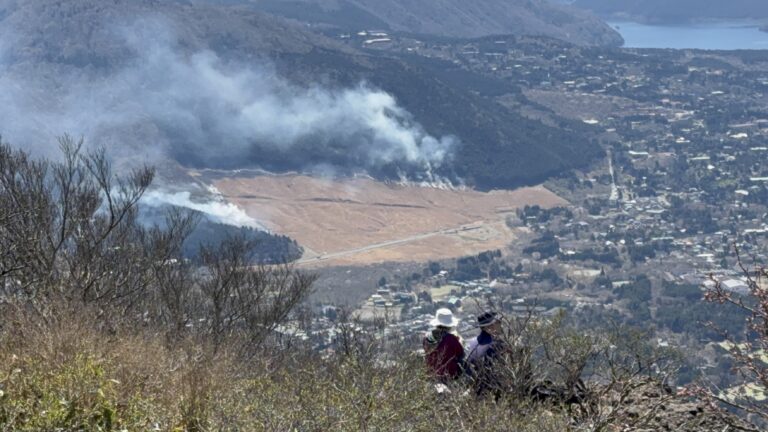
I was hiking up Mt. Kintoki (金時山) , the legendary peak named after the folk hero Kintaro. The goal was the usual reward: a breathtaking view of Mt. Fuji towering over the valley. However, what I witnessed from the summit was not just the iconic mountain, but a man-made inferno that painted the valley below in shades of orange and black.

From my vantage point, I watched the Sengokuhara Susuki Field burning unfold in real-time. It was a beautiful, and deeply meaningful spectacle. Thanks to my position on the mountain, I captured the event from a perspective few get to see—flames licking at the base of the hills while Fuji-san stood silent guard in the background.

In this post, I’ll share my experience, explain why Hakone burns these beautiful fields, and give you the exact details you need to witness this fiery tradition yourself.

Witnessing the Flames of Renewal: The 2026 Sengokuhara Susuki Field Burning in Hakone

What is the Sengokuhara Susuki Field?

Before we dive into the fire, let’s talk about what is being burned. Sengokuhara is a highland resort area famous for its sprawling fields of Susuki, or Japanese pampas grass (Miscanthus sinensis). In the autumn, this field turns a shimmering silver-gold, swaying in the wind like a sea of fur. It is so picturesque that it has been selected as one of the “Kanagawa Scenic 50” .

However, Susuki is a resilient and aggressive perennial grass. Without human intervention, these fields would eventually become forests. To preserve that iconic autumn landscape, the locals must act as stewards of the land—using fire as their tool.

The “Yamayaki”: Why Do They Burn the Fields?

If you visit Sengokuhara in late March, you might be shocked to see the ground charred black and smoking. Do not be sad; this is actually a sign of new life.

This tradition is known locally as “Noyaki” (野焼き) or “Yamayaki” (controlled grassland burning). Historically, the Susuki grass was a vital resource. During the Edo period (1603–1867), it was harvested for thatching roofs, feeding livestock, and making straw bedding .

However, as Japan modernized, the demand for Susuki vanished. By the 1970s, trees and shrubs began overtaking the marshland, threatening the unique ecosystem. In 1988, the preservation movement successfully resumed the controlled burns to stop the forest from reclaiming the grassland .

Today, the burn is a deliberate conservation effort with three specific benefits:

1. Preventing Forest Succession

Without fire, Mt. Daigatake’s forests would send seedlings down into the plain. Within decades, the beautiful open fields would become dense woodland. The fire resets the clock, killing tree saplings while allowing the deep roots of Susuki to survive.

2. Nutrient Recycling

Volcanic ash is incredibly fertile. Burning the dead winter foliage instantly returns potassium and minerals to the soil, acting as a natural fertilizer for the lush green shoots of April.

3. Pest Control

The intense heat eliminates overwintering insects and parasites, ensuring a healthier ecosystem for the flora and fauna that thrive in the following months.

The 2026 Burning: A Date with Fire

The burning is typically held mid-to-late March, usually on a dry, windless Saturday or Sunday. In 2026, however, it happened on a weekday in April and I happened to be on the trail during the event.

When I went: mid-April 2026.
Where I watched from: The summit trail of Mt. Kintoki.

From the trail, the sound is the first thing you notice—a deep crackling roar. Because the field is closed to the public during the burn for safety (no one is allowed inside the area), the best way to view it is from above. The local fire brigades and farmers methodically set the fields alight. You watch the fire rush up the gentle slopes of Mt. Daigatake, consuming the dry beige grass in seconds, leaving a stark black canvas behind.

Where to View the Sengokuhara Burning (Best Viewpoints)

If you want to see this event in the future, you need a strategy. You cannot stand in the field when it is burning. Here is the best location:

Mt. Kintoki Trail (The Hiker’s Choice) – RECOMMENDED

This is how I viewed it, and I highly recommend it. The Mt. Kintoki trailhead starts near the Sengokuhara area. The hike is moderate (about 1.5 to 2 hours to the summit). From the top, you get a bird’s-eye view of the entire field below with Mt. Fuji in the background. Pro tip: Start your hike early so you are at the mid-to-upper slopes by the time the fire starts.

Private Hiking Tour Guide

Join us for an unforgettable journey through the breathtaking Sengokuhara Susuki Fields. Experience the awe-inspiring tradition of field burning, a spectacle of nature’s renewal, guided by our expert team at Coconuts Hike Japan. Secure your spot today and witness this unique cultural event firsthand.