Hakone Susuki Grass Fields in Sengokuhara

Discover the Magic of Hakone's Fiery Tradition

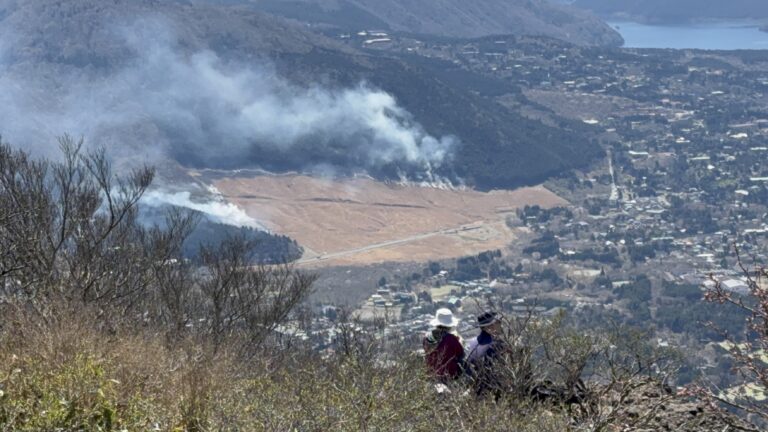
Experience the Sengokuhara Susuki Field Burning

Join us on an unforgettable journey to witness the breathtaking transformation of Hakone’s landscape through the ancient practice of controlled burning. Embrace the beauty of nature’s rebirth.

Witnessing the Flames of Renewal: The 2026 Sengokuhara Susuki Field Burning in Hakone

Unveiling the Sengokuhara Susuki Field

Nestled in the heart of Hakone, the Sengokuhara Susuki Field is renowned for its stunning autumn scenery, where golden pampas grass waves in the breeze. This natural wonder is not only a visual delight but also plays a crucial role in the region’s ecological balance. Each year, a controlled burn rejuvenates the field, promoting new growth and maintaining the health of this unique ecosystem. Our tours offer an in-depth exploration of this fascinating process, guided by experts who share the cultural and environmental significance of the burn.

Understanding the Controlled Burn Process

The Sengokuhara Susuki Field undergoes a meticulous controlled burn to preserve its ecological vitality. This traditional practice is essential for maintaining the area’s natural beauty and biodiversity.

1

Preparation and Safety Measures

Before the burn, local authorities and experts assess weather conditions to ensure safety. Barriers are set up to protect visitors and surrounding areas.

2

Ignition and Monitoring

On the chosen day, trained personnel ignite the field under controlled conditions. The burn is closely monitored to manage the fire’s spread and intensity.

3

Ecological Benefits and Renewal

Prepare for an Unforgettable Experience

Plan Your Visit to the 2027 Controlled Burn

Embarking on a journey to witness the annual controlled burn in Sengokuhara is a unique adventure that requires thoughtful planning. Ensure you check the Hakone Town official website or the Hakone Tourist Association for the exact dates and weather conditions, as these can vary. Secure your accommodations early, as this event draws many visitors eager to witness the transformation of the landscape. Consider joining a guided tour with Coconuts Hike Japan for an enriched experience led by our expert guide Akihiro.

Essential Items and Safety Precautions

  • Warm Clothing: March/April temperatures in Hakone can be chilly, so dress in layers to stay comfortable.
  • Face Mask or Scarf: Protect yourself from smoke and ash that may drift with the wind.
  • Sturdy Footwear: Trails can be uneven, so wear shoes with good grip for safe hiking.
  • Camera: Capture the dramatic scenery and the rebirth of the landscape.
  • Respectful Attitude: Follow all safety instructions and respect the barriers set by authorities.
  • Water and Snacks: Stay hydrated and energized during your visit.
  • Weather Updates: Regularly check for updates to ensure your visit aligns with the event schedule.
  • Binoculars: Get a closer view of the burn from a safe distance.
  • Portable Charger: Keep your devices powered for photos and navigation.
  • Emergency Contact Information: Have local emergency numbers handy just in case.
  • Sun Protection: Even in March, sunburn can occur, so bring sunscreen and a hat.
  • Trash Bags: Leave no trace; carry out what you bring in.
  • Travel Insurance: Ensure you have coverage for unexpected events.
  • Reusable Water Bottle: Stay eco-friendly while keeping hydrated.

The Beauty of Renewal

After the controlled burn, the Sengokuhara landscape undergoes a breathtaking transformation. Initially, the charred fields may seem desolate, but this is the beginning of a remarkable renewal process. Within days, vibrant green shoots emerge from the ashes, symbolizing nature’s resilience and the cycle of life. This rejuvenation is crucial for maintaining the health of the ecosystem, promoting biodiversity, and ensuring the stunning autumn vistas that draw visitors from around the world. Witnessing this rebirth firsthand offers a profound appreciation for the delicate balance of destruction and creation in nature.

Is it useful to have a guide in Hakone?

Is it useful to have a guide in Hakone?

Should I hire a guide in Hakone?

Is it useful to have a guide in Hakone?

Hiring a hiking guide in Hakone is highly recommended for several reasons, ensuring a safer, more enriching, and hassle-free experience. Here’s why you should consider one:

1. Expert Navigation on Complex Trails

– Hakone’s terrain includes volcanic zones, dense forests, and steep slopes. A guide knows the safest and most scenic routes, avoiding dangerous or poorly marked paths.
– Trails like the Hakone Hachiri or routes around Owakudani can be confusing; a guide prevents you from getting lost.

2. Safety in Volcanic and Unpredictable Areas

– Hakone is an active geothermal region with areas emitting sulfurous gases. Guides monitor conditions and steer you away from hazardous zones.
– Weather can change rapidly; guides adjust plans to avoid risks like fog or landslides.

3. Insider Knowledge of Hidden Gems

– Guides take you to lesser-known spots, such as secluded hot springs (onsen), viewpoints, or historical sites like the Old Tokaido Road, which you might miss alone.
– They share stories about Hakone’s geology, culture, and Edo-period history, deepening your appreciation.

4. Efficient Logistics and Time Management

– Guides optimize your hike to align with public transport and popular attractions like Lake Ashi or Hakone Shrine, maximizing your day.

5. Cultural and Natural Interpretation

– Learn about local flora/fauna (e.g., Hakone’s endemic species) and volcanic activity.
– Guides explain etiquette for sacred sites and onsens (e.g., how to use traditional baths).

6. Emergency Preparedness

– In case of injury or wildlife encounters (e.g., wild boars), guides are trained in first aid and know emergency protocols.
– They communicate with local authorities if needed, a critical advantage if you don’t speak Japanese.

7. Language Barrier Assistance

– Many trail signs and maps are only in Japanese. A bilingual guide ensures smooth communication with locals or rescue services.

It is 8. Customized Experiences

– Whether you want a strenuous climb (e.g. Traverse Hakone Caldera) or a relaxed nature walk, guides tailor the hike to your fitness level and interests.

When You Might Skip a Guide

If you’re experienced in hiking Japan’s trails, fluent in Japanese, or sticking to well-marked routes like the **Hakone Sekisho Trail**, you could go solo. However, for most travelers, a guide enhances safety, knowledge, and enjoyment.

Pro Tip: It is useful to have a guide but please book a guide who has a Japan National Guide License issued the Japanese government. These guides possess a deep understanding of Japanese culture, history, and traditions, and are officially recognized for their expertise and language skills. 

Useful links when considering ‘Is it useful to have a guide in Hakone?’

How to book a certified tour guide in Japan

Japan Tours by National Tour Guide / Interpretor  

Hiking Tours in Hakone (run by Japan National Guide/Interpretor):

Pin It on Pinterest